Austintown, OH · Mahoning County
AC Unit Water Removal in Austintown, OHAC Leak Water Extraction & AC Leak Mold Prevention
AC Unit Water Removal in Austintown runs from emergency AC water removal and AC leak water cleanup to air conditioner restoration services.
Answered 24/7
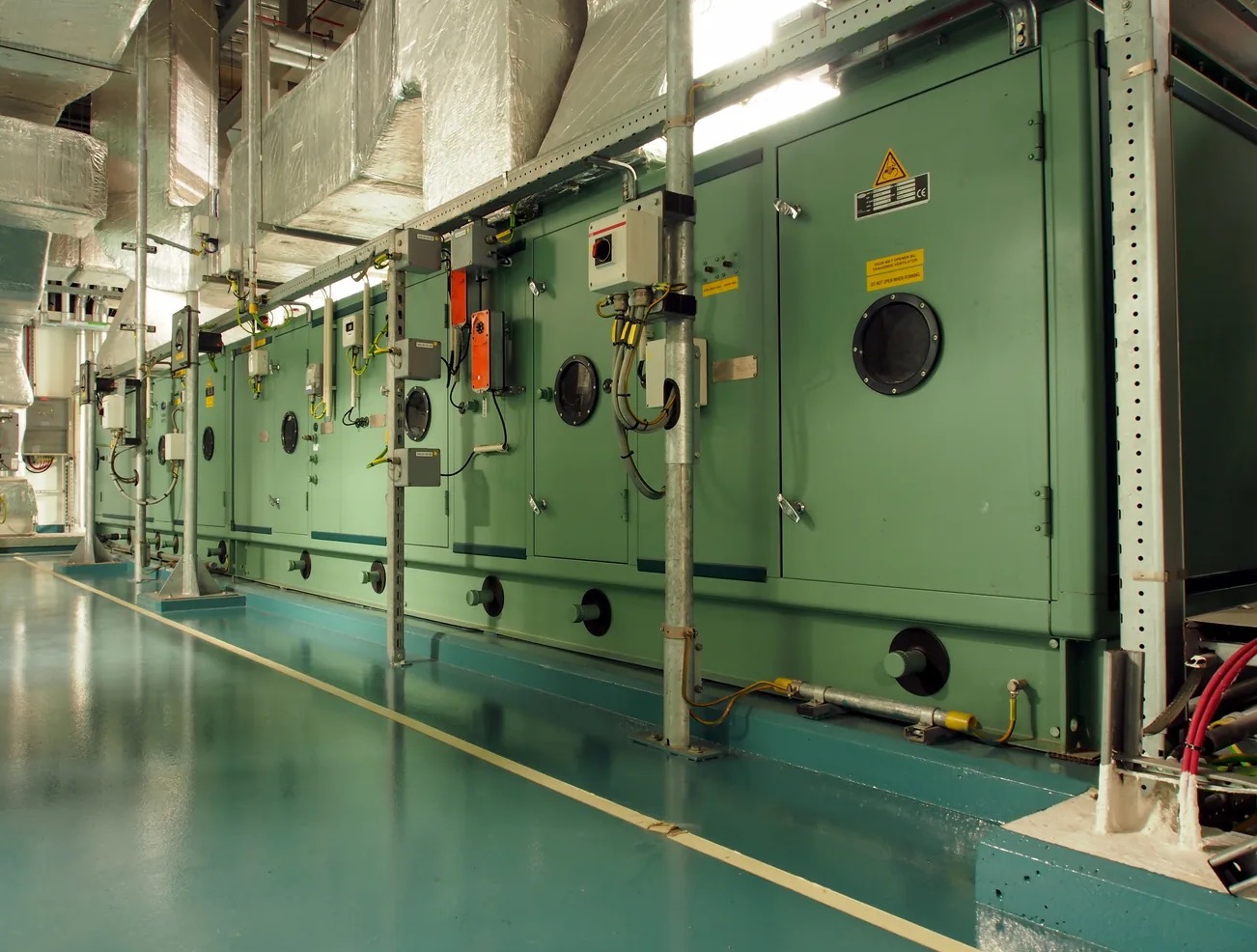
Expert AC Unit Water Removal for Austintown Homes
Most AC leaks start small: a drip in the furnace closet or a faint stain under an attic unit. In Austintown, the drain pan can fill and overflow for days before anyone notices the damage.
A leaking AC in Austintown rarely fixes itself, and the water keeps soaking the same drywall and subfloor until the drain is cleared. Local water extraction experts serve Austintown and nearby Girard, Canfield and Niles, with help available around the clock for leaks of any size.
Complete AC Unit Water Removal and Repair in Austintown
AC Leak Water Extraction
Extraction is followed by drying with air movers and dehumidifiers, with daily readings to track progress.
AC Leak Mold Prevention
Surfaces that stayed damp, such as framing under the air handler, are treated after drying so leftover spores have less to feed on.
AC Drain Pan Water Extraction
Both the primary pan and the secondary safety pan are emptied, and the pan is inspected for rust holes or cracks.
AC Condensate Drain Clearing
Clearing the line stops the overflow at its source. Without it, the pan refills and the leak returns within days.
Wet AC Unit Component Drying
Damp insulation inside the cabinet holds water for a long time. It is dried in place or replaced if it stays wet.
When to Call for AC Unit Water Removal in Austintown
Water on the Floor
A puddle around the air handler or furnace closet is the most direct sign of a leak.
Water Stains on Walls
Brown rings or peeling paint on the ceiling under an attic unit, or on walls near the closet, point to a slow leak.
Wet AC Unit Components
Damp coils, a wet blower compartment or moisture around wiring inside the cabinet mean water is collecting where it should not.
Unusual AC System Noises
Gurgling or dripping sounds from the unit can mean water is backing up in the drain line.
How AC Unit Water Removal Works in Austintown
Step 1: AC Unit Flood Cleanup
Water is extracted quickly to keep it from soaking into insulation, framing and the ceiling below.
Step 2: Drain Line Diagnosis and Clearing
The drain line is inspected for clogs, sags or loose fittings and cleared so water drains outside.
Step 3: Structural and Unit Drying
Air movers and dehumidifiers run around the unit, with daily moisture checks on walls and floors.
Step 4: System Check and Cleanup
The pan is cleaned, the drain is tested with water and the area is left dry.
Common Causes of AC Water Damage in Austintown
Improper AC Unit Installation
A unit that is not level, or a drain line without enough slope, lets water pool instead of draining.
Dirty Air Filters
A clogged filter cuts airflow, which can freeze the coil and cause overflow when it melts.
Age and Component Wear
Older units have worn fittings, brittle seals and corroded pans that start leaking together.
Frozen Evaporator Coils Thawing
A coil that freezes from low airflow sheds a large amount of water at once when it thaws.
AC Unit Water Removal for Homes and Businesses in Austintown
Residential AC Unit Water Removal
For homeowners, the main risk is water soaking into insulation and drywall where no one sees it. Moisture meters find that hidden water so it can be dried before it causes rot.
Commercial AC Unit Water Removal
For property managers, one leaking unit can affect several suites or the floor below. Each wet area is extracted, dried and documented for the owner and insurer.
When to Hire Local Pros for AC Unit Water Removal in Austintown
Mopping up a small drip and clearing the drain line with a wet vac is a reasonable DIY step. Call local water extraction experts if water reached the ceiling, walls or insulation, or if the leak keeps coming back after you clear the line.
What Affects AC Unit Water Removal Expense in Austintown
The cost of AC unit water removal in Austintown depends on how much water leaked, which materials got wet and how long drying takes. A clogged line caught early costs far less than a soaked ceiling.
Documentation Needs
Detailed photos and moisture logs for an insurance claim add some time to the job.
Required Drying Time
Dense materials and enclosed spaces take longer to dry, which means more equipment days.
Leak Source and Severity
A slow drip near the closet costs less to fix than an attic overflow that soaked a ceiling and the room below.
Does Insurance Cover AC Unit Water Removal?
Coverage for AC unit water removal varies from policy to policy. The pros document the damage and the drying, but your insurer decides what is covered and what is not, so ask early in the claim.
Why Choose Local Pros for AC Unit Water Removal in Austintown
Systematic Drain Line Clearing
The condensate line is cleared, not just the water mopped up, so the leak does not come right back.
Preventative Microbial Treatment
Optional antimicrobial treatment can be applied to wood and drywall that stayed wet for days.
Air Conditioner Restoration Focus
Drywall, trim and ceiling repairs can be handled after drying, so one job covers the whole leak.
Round-the-Clock Emergency AC Unit Water Removal in Austintown
Every hour of standing water means more drying later and more materials to replace. Call (330) 632-1753 for AC unit water removal in Austintown as soon as you see the leak.
Call Now (330) 632-1753AC Unit Water Removal Near Austintown: Areas Served
AC leak cleanup, drain clearing and drying also cover homes and businesses in Girard, Canfield and Niles, close to Austintown.
Frequently Asked Questions About AC Unit Water Removal in Austintown
What clogs an AC condensate line?
Algae, sludge, dust and debris build up inside the line, especially over long cooling seasons, until water backs up into the pan.
Why document AC water damage?
Photos and moisture readings show what got wet and how it was dried, which helps your insurance claim.
How long does drying take after an AC leak?
Often several days, depending on the materials and how long they were wet. Daily readings track progress.
What happens if I ignore a drain pan overflow?
The leak keeps wetting the same materials, which can lead to rot, ceiling damage and microbial growth.
How quickly should I deal with an AC leak?
Right away. Water that sits for more than a day or two soaks into drywall and insulation and raises the risk of microbial growth.