Cuyahoga Falls, OH · Summit County
AC Unit Water Removal in Cuyahoga Falls, OHAir Conditioner Restoration Services & AC Leak Water Extraction
AC Unit Water Removal in Cuyahoga Falls covers AC leak water cleanup, AC condensate drain clearing and wet AC unit component drying.
Answered 24/7
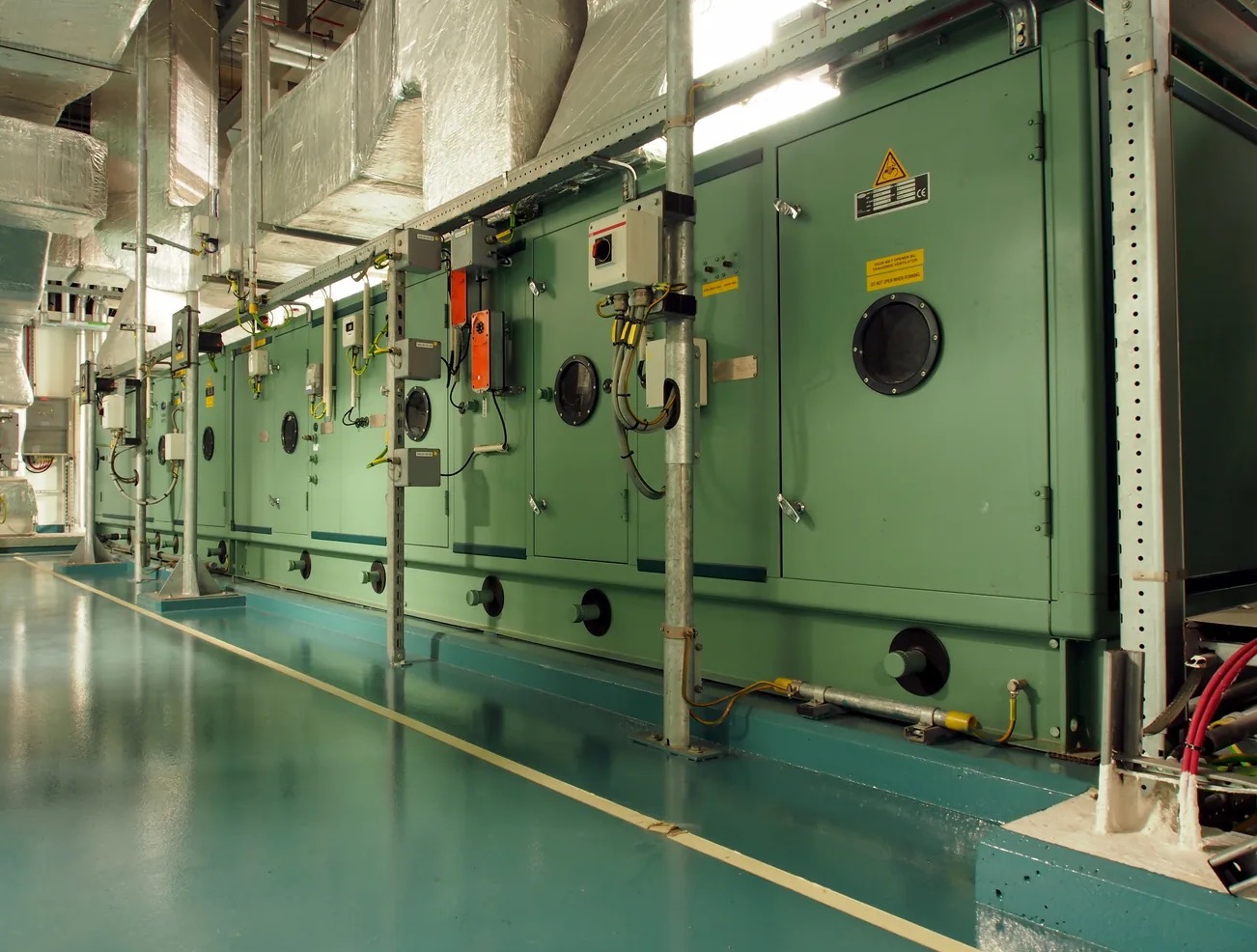
Professional AC Unit Water Removal in Cuyahoga Falls, OH
AC Unit Water Removal in Cuyahoga Falls covers the whole leak, from removing standing water to drying wet materials and repairing drywall or trim afterward. Each step depends on how far the water traveled and how long it sat.
In Cuyahoga Falls, AC leaks usually show up as ceiling stains under attic units, wet carpet near the furnace closet or water dripping from a vent. Help with AC unit water removal is available across Cuyahoga Falls and in Silver Lake, Munroe Falls and Stow, day or night, with extraction, drain clearing and drying.
The AC Unit Water Removal Process in Cuyahoga Falls, OH
Air Conditioner Restoration Services
Work finishes with cleanup and a check that the unit drains properly, so the leak does not return.
AC Leak Water Extraction
Water is removed from every wet surface the leak reached, including closets and rooms below an attic air handler.
Wet AC Unit Component Drying
Wet blower motors, panels and wiring are dried with gentle airflow and dehumidifiers rather than direct heat, which lowers the risk of corrosion and shorts.
AC Condensate Drain Clearing
Clearing the line stops the overflow at its source. Without it, the pan refills and the leak returns within days.
AC Drain Pan Water Extraction
Water sitting in a full or cracked drain pan is removed before it spills over into the ceiling or walls below.
Warning Signs You Need AC Unit Water Removal
AC Unit Circuit Breaker Trips
Water reaching electrical parts can trip the breaker. Shut the unit off and call before resetting it again.
Musty Odors From Vents
A musty smell when the AC starts often means standing water in the pan or wet insulation in the ducts.
Water Stains on Walls
Brown rings or peeling paint on the ceiling under an attic unit, or on walls near the closet, point to a slow leak.
AC System Shuts Off
Many units have a float switch that shuts the system off when the pan fills. If the AC stops cooling, check the pan.
How AC Unit Water Removal Works in Cuyahoga Falls
Step 1: Emergency AC Water Removal
The unit is shut off and standing water is extracted from the drain pan, the floor and any carpet or pad it reached.
Step 2: AC Condensation Line Clearing
The drain line is flushed or vacuumed clear of algae and sludge, so condensate flows outside again.
Step 3: Wet AC Unit Component Drying
Air movers and a dehumidifier dry the cabinet interior and the walls, floor or ceiling around the unit.
Step 4: AC Leak Mold Prevention
Once readings show dry, wood and drywall that stayed wet can be treated with an antimicrobial.
Why AC Units Leak and Need Water Removal
Improper AC Unit Installation
A unit that is not level, or a drain line without enough slope, lets water pool instead of draining.
Damaged AC Drain Pan
Metal pans rust through and plastic pans crack with age, letting water drip straight through.
Failed Condensate Pump
Units that pump condensate uphill depend on a small pump. When it fails, the reservoir overflows.
Age and Component Wear
Older units have worn fittings, brittle seals and corroded pans that start leaking together.
AC Unit Water Removal for Homes and Businesses in Cuyahoga Falls
Residential AC Unit Water Removal
For homeowners, the main risk is water soaking into insulation and drywall where no one sees it. Moisture meters find that hidden water so it can be dried before it causes rot.
Commercial AC Unit Water Removal
For property managers, one leaking unit can affect several suites or the floor below. Each wet area is extracted, dried and documented for the owner and insurer.
Professional AC Unit Water Removal or DIY Cleanup in Cuyahoga Falls
Pouring a cup of diluted vinegar into the drain line each season helps prevent algae clogs. Once water spreads past the unit into walls, ceilings or flooring, it is time to call local AC unit water removal pros for extraction and drying.
What Affects AC Unit Water Removal Expense in Cuyahoga Falls
Drying equipment is usually billed by the day, so how long materials stay wet matters. Starting quickly in Cuyahoga Falls shortens drying time and lowers the total.
Affected Component Count
The more of the system that got wet, such as the blower, panels and insulation, the more drying time is needed.
Secondary Damage Presence
Wet ceilings, swollen baseboards or damp framing add removal and repair work to the job.
Leak Source and Severity
A slow drip near the closet costs less to fix than an attic overflow that soaked a ceiling and the room below.
Does Insurance Cover AC Unit Water Removal?
Take photos before cleanup starts and keep receipts for any emergency work, such as extraction done at night. Both help when you file a claim for AC water damage with your insurer.
Advantages of Hiring Local Pros in Cuyahoga Falls for AC Unit Water Removal
Air Conditioner Restoration Focus
Drywall, trim and ceiling repairs can be handled after drying, so one job covers the whole leak.
Focus on Component Preservation
Wet blower motors and wiring are dried gently to lower the risk of corrosion and electrical faults.
24/7 Emergency Response
Help is available any hour, which matters when an attic unit starts leaking into a ceiling at night.
24/7 Emergency AC Unit Water Removal in Cuyahoga Falls
Every hour of standing water means more drying later and more materials to replace. Call (330) 632-1753 for AC unit water removal in Cuyahoga Falls as soon as you see the leak.
Call Now (330) 632-1753AC Unit Water Removal Service Area Including Cuyahoga Falls
Help with AC unit water removal reaches Silver Lake, Munroe Falls and Stow, plus other communities around Cuyahoga Falls, for houses, apartments and commercial buildings with leaking AC units.
- AC Unit Water Removal in Silver Lake
- AC Unit Water Removal in Munroe Falls
- AC Unit Water Removal in Stow
- AC Unit Water Removal in Tallmadge
- AC Unit Water Removal in Kent
- AC Unit Water Removal in Hudson
- AC Unit Water Removal in Fairlawn
- AC Unit Water Removal in Peninsula
- Emergency Damage Restoration in 44221
- Storm Damage Restoration in 44221
- Water Damage Restoration in 44221
- Water Extraction Service in 44221
- Water Leak Detection in 44221
- Water Removal Service in 44221
- Emergency Damage Restoration in 44222
- Storm Damage Restoration in 44222
Frequently Asked Questions About AC Unit Water Removal in Cuyahoga Falls
What does emergency AC water removal include?
Shutting off the unit, extracting standing water, clearing the drain and starting drying equipment, at any hour.
What happens if I ignore a drain pan overflow?
The leak keeps wetting the same materials, which can lead to rot, ceiling damage and microbial growth.
What are signs I need water removed from around my air conditioner?
Puddles near the unit, ceiling stains, a musty smell, a full drain pan or an AC that shuts off on its own.
What clogs an AC condensate line?
Algae, sludge, dust and debris build up inside the line, especially over long cooling seasons, until water backs up into the pan.
How quickly should I deal with an AC leak?
Right away. Water that sits for more than a day or two soaks into drywall and insulation and raises the risk of microbial growth.