Brunswick, OH · Medina County
Basement Water Damage Restoration in Brunswick, OHBasement Water Extraction & Basement Dehumidification
Basement Water Damage Restoration in Brunswick includes emergency basement flood cleanup, basement sewer backup cleanup and basement wall drying.
Answered 24/7
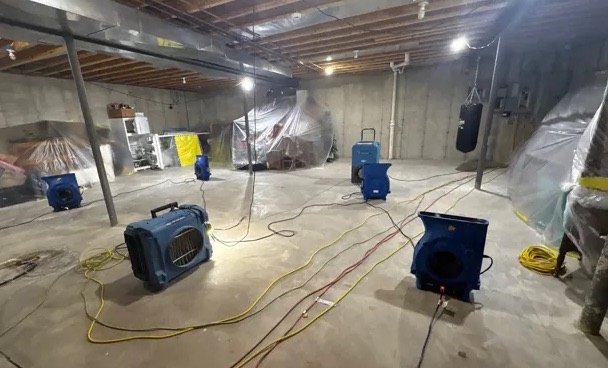
Professional Basement Water Damage Restoration in Brunswick, OH
Basements collect water from every direction: rain seeping through walls, groundwater pushing up through the slab, sewage backing up through floor drains and pipes bursting overhead. In a Brunswick home with a basement or below-grade room, any of these can leave inches of water on the floor.
A finished basement or lower level in Brunswick or Strongsville, North Royalton and Medina can hide old moisture behind drywall and flooring. The pros find the water and dry the space before more damage sets in.
Basement Water Damage Restoration Solutions Available in Brunswick
Basement Water Extraction
Basement water is removed before drying starts, because every gallon left behind keeps the walls and air damp.
Basement Dehumidification
A basement with no moisture problem before the flood may still need a dehumidifier afterward while the concrete dries.
Basement Drying Services
Drying a basement takes longer than drying an upper floor because the air is cool and the concrete holds moisture.
Basement Wall Drying
Finished basement walls hide wet insulation and framing. Removing the bottom of the drywall lets air reach the cavity.
Basement Floor Water Removal
Wet carpet pad is removed from basement floors, since it holds water against the concrete and dries poorly.
How to Know You Need Basement Water Damage Restoration in Brunswick
Mold on Surfaces
Dark spots on drywall, framing or stored boxes mean the area has stayed wet for days.
Damp or Musty Odors
A damp, earthy or musty smell in the basement often means hidden moisture in walls, carpet or the slab.
Condensation on Windows or Pipes
Water beading on cold pipes or basement windows shows high humidity that keeps materials damp.
Sump Pump Failure or Overflow
A sump pump that runs constantly, fails to start or lets the pit overflow puts the basement at risk.
How Basement Water Damage Restoration Works in Brunswick
Step 1: Source Control and Extraction
The pipe is shut off, the sump restarted or the backup stopped, then the water is pumped out.
Step 2: Structural Drying Setup
Lower drywall is removed where soaked, and equipment is placed to dry wall cavities and the slab.
Step 3: Contaminant Removal
Materials touched by sewage or dirty water are removed and hard surfaces are cleaned and disinfected.
Step 4: Monitoring and Completion
Daily readings track drying until every material is normal, then equipment is removed.
Typical Sources of Basement Water Damage in Brunswick
Plumbing Pipe Bursts or Leaks
Supply lines and drain pipes in basement ceilings can crack or burst onto the floor below.
Sump Pump Mechanical Failure
A sump pump that fails, loses power or is too small lets groundwater rise into the basement.
Water Heater or Appliance Leaks
Water heaters, washers and utility sinks in the basement can leak or fail without warning.
Sewer Line Backups
A blocked or overloaded sewer line pushes wastewater up through basement drains and toilets.
Home and Business Basement Water Damage Restoration in Brunswick
Residential Basement Water Damage Restoration
Finished basements used as living space need carpet, pad and lower drywall checked carefully. Soaked materials are removed so the walls and slab can dry.
Commercial Basement Water Damage Restoration
Businesses with below-grade storage need inventory moved out of the water quickly. Wet stock is separated and documented for insurance.
Professional Basement Water Damage Restoration or DIY in Brunswick?
Sewage in a basement should not be cleaned up without gloves, boots and eye protection. For any backup through a floor drain or toilet, call local restoration pros.
Factors Affecting Basement Water Damage Restoration Cost in Brunswick
Sewage cleanup, finished walls, storm-night calls and damaged appliances all add to the total for basement water damage restoration in Brunswick.
Affected Square Footage
Larger basements need more extraction, more drying equipment and more days of drying time.
Dehumidification Needs
Large dehumidifiers may need to run longer in below-grade spaces than in upper floors.
Secondary Damage
Damage to furnaces, water heaters and belongings adds repair and replacement costs.
Does Insurance Cover Basement Water Damage Restoration?
Photos, moisture readings and drying logs from local restoration pros help support an insurance claim for basement water damage in Brunswick.
Reasons to Hire Local Pros for Basement Water Damage Restoration in Brunswick
Industrial-Grade Equipment
Pumps, extractors and large dehumidifiers remove water much faster than household wet vacs and fans.
Industry Drying Standards
Drying follows industry water damage standards, with readings taken at every visit.
Mold Prevention Focus
Fast drying is the main way to limit microbial growth in a below-grade space.
Brunswick Emergency Basement Water Damage Restoration Response
Every hour of standing water in a basement means more drywall and flooring to replace. Call (330) 632-1753 for basement water damage restoration in Brunswick.
Call Now (330) 632-1753Basement Water Damage Restoration Serving Brunswick, Strongsville, North Royalton and Medina
Basement water removal and drying also cover homes and buildings in Strongsville, North Royalton and Medina, close to Brunswick, day or night.
- Basement Water Damage Restoration in Strongsville
- Basement Water Damage Restoration in North Royalton
- Basement Water Damage Restoration in Medina
- Basement Water Damage Restoration in Middleburg Heights
- Basement Water Damage Restoration in Broadview Heights
- Basement Water Damage Restoration in Richfield
- Basement Water Damage Restoration in Parma Heights
- Basement Water Damage Restoration in Brook Park
- Emergency Damage Restoration in 44212
- Storm Damage Restoration in 44212
- Water Damage Restoration in 44212
- Water Extraction Service in 44212
- Water Leak Detection in 44212
- Water Removal Service in 44212
FAQ for Basement Water Damage Restoration in Brunswick
Why is fast response important for below-grade flood restoration?
Basements dry slowly, so every hour of standing water adds days of drying and more material to replace.
How soon should I call for basement water extraction after a leak?
Right away. Water wicks up drywall and soaks framing within hours, and below-grade spaces are slow to dry.
Why is dehumidification so important after basement water removal?
Basements hold moisture in the air and concrete. Without dehumidifiers, walls and framing stay damp long after the water is gone.
Does basement mold prevention need special steps after flooding?
Fast drying is the main step. Wood and concrete that stayed wet can be treated with an antimicrobial once dry.
What are signs of hidden moisture after below-grade water extraction?
Musty smells, tide lines on walls, damp carpet edges and moisture readings that stay high in walls or the slab.