Lyndhurst, OH · Cuyahoga County
Basement Water Damage Restoration in Lyndhurst, OHEmergency Basement Flood Cleanup & Basement Wall Drying
Get basement water damage restoration in Lyndhurst for basement floor water removal, basement mold prevention and basement drying services.
Answered 24/7
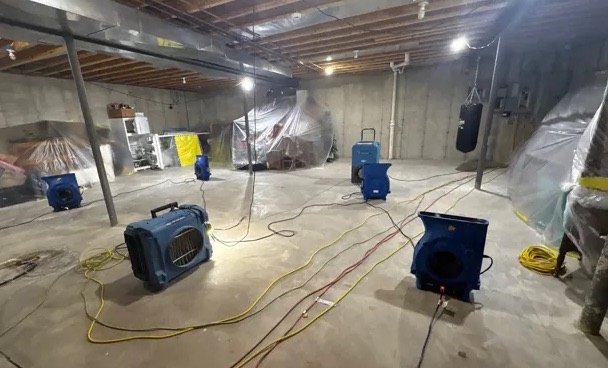
Basement Water Damage Restoration for Lyndhurst Homes
Basements collect water from every direction: rain seeping through walls, groundwater pushing up through the slab, sewage backing up through floor drains and pipes bursting overhead. In a Lyndhurst home with a basement or below-grade room, any of these can leave inches of water on the floor.
Homeowners in Lyndhurst can call (330) 632-1753 day or night when water is rising in the basement. Service also covers South Euclid, Mayfield Heights and University Heights, with the same pumping and drying steps.
Complete Basement Water Damage Restoration for Lyndhurst
Emergency Basement Flood Cleanup
A flooded basement can damage furnaces, water heaters and stored items quickly. Fast pumping limits how much is lost.
Basement Wall Drying
Wet drywall is cut back above the water line when it is soaked, and the wall cavity and insulation behind it are dried or replaced.
Basement Sewer Backup Cleanup
Porous materials touched by sewage, such as carpet, pad and lower drywall, are removed. Concrete and framing are cleaned and disinfected.
Basement Floor Water Removal
A slab can look dry on top while still holding water. Moisture readings show when it is ready for new flooring.
Basement Mold Prevention
Fast extraction and drying are the main ways to limit microbial growth in a basement. Surfaces that stayed wet can be treated once dry.
Warning Signs You Need Basement Water Damage Restoration
Standing Water in the Basement
Any standing water on the basement floor needs pumping right away, before it soaks walls and framing.
High Humidity Levels Below-Grade
A basement that stays damp and clammy even on dry days has a moisture source that needs attention.
Wet or Stained Basement Walls
Dark, wet patches or tide lines on basement walls show where water seeped in or wicked up.
Rusted Appliances or Pipes
Rust on the water heater, furnace base or pipes points to repeated moisture or past flooding.
How Basement Water Damage Restoration Works in Lyndhurst
Step 1: Initial Assessment and Water Removal
The source and type of water are identified, and standing water is removed right away.
Step 2: Focused Drying of Materials
Walls, framing and the slab are dried with directed airflow, with wet insulation removed.
Step 3: Air Quality Management
Air scrubbers filter dust and odors from removal work while drying continues.
Step 4: Documentation for Restoration
Photos, readings and a list of removed materials are prepared for insurance and rebuilding.
What Causes Basement Water Damage Restoration in Lyndhurst
High Water Table and Hydrostatic Pressure
A high water table pushes groundwater up through the slab and into the joints between wall and floor.
Sewer Line Backups
A blocked or overloaded sewer line pushes wastewater up through basement drains and toilets.
Stormwater Runoff Into Lower Levels
Heavy rain running off hard ground or a sloped yard can pour down stairwells and under doors into below-grade rooms.
Faulty Basement Waterproofing
Old or failed waterproofing on foundation walls lets water through during wet weather.
Basement Water Damage Restoration for All Properties in Lyndhurst
Residential Basement Water Damage Restoration
Finished basements used as living space need carpet, pad and lower drywall checked carefully. Soaked materials are removed so the walls and slab can dry.
Commercial Basement Water Damage Restoration
Businesses with below-grade storage need inventory moved out of the water quickly. Wet stock is separated and documented for insurance.
Basement Water Damage Restoration vs. DIY: When to Call the Pros
Fans alone can push damp air into the rest of the house. Basement drying needs dehumidifiers to pull the moisture out of the air and the concrete.
Basement Water Damage Restoration Cost in Lyndhurst, OH
A basement pumped and dried right away in Lyndhurst usually costs less than one left wet for days, when more drywall and flooring are lost.
Access Complexity
Narrow stairs, low ceilings and stored contents can make the work slower.
Material Saturation
Finished basements with carpet, drywall and insulation take more removal work than bare concrete.
Secondary Damage
Damage to furnaces, water heaters and belongings adds repair and replacement costs.
Does Insurance Cover Basement Water Damage Restoration?
Photos, moisture readings and drying logs from local water removal pros help support an insurance claim for basement water damage in Lyndhurst.
Advantages of Hiring Local Pros in Lyndhurst for Basement Water Damage Restoration
Water Extraction First
Water is removed from floors, carpet and pad before drying starts, which shortens drying time.
Industrial-Grade Equipment
Pumps, extractors and large dehumidifiers remove water much faster than household wet vacs and fans.
Industry Drying Standards
Drying follows industry water damage standards, with readings taken at every visit.
24/7 Emergency Basement Water Damage Restoration for Lyndhurst
A flooded basement damages walls, furnaces, water heaters and belongings quickly. Call (330) 632-1753 for basement water damage restoration in Lyndhurst at any hour.
Call Now (330) 632-1753Basement Water Damage Restoration Serving Lyndhurst, South Euclid, Mayfield Heights and University Heights
Basement water removal and drying also cover homes and buildings in South Euclid, Mayfield Heights and University Heights, close to Lyndhurst, day or night.
- Basement Water Damage Restoration in South Euclid
- Basement Water Damage Restoration in Mayfield Heights
- Basement Water Damage Restoration in University Heights
- Basement Water Damage Restoration in Cleveland Heights
- Basement Water Damage Restoration in Beachwood
- Basement Water Damage Restoration in Shaker Heights
- Basement Water Damage Restoration in Euclid
- Basement Water Damage Restoration in Wickliffe
FAQ for Basement Water Damage Restoration in Lyndhurst
How soon should I call for basement water extraction after a leak?
Right away. Water wicks up drywall and soaks framing within hours, and below-grade spaces are slow to dry.
Is basement floor water removal different from carpet extraction?
Yes. Bare concrete is squeegeed and dried, while carpet and pad need extraction, and the pad is usually replaced.
What does below-grade moisture removal include beyond pumping?
Extracting carpet and pad, opening wet walls, running air movers and dehumidifiers, and checking readings until dry.
What is the priority during emergency basement flood cleanup?
Safety first, especially electrical hazards, then stopping the source and pumping out the water as quickly as possible.
What equipment is used for below-grade water damage repair?
Submersible pumps, extractors, air movers, large dehumidifiers, moisture meters and air scrubbers for dust and odor.