Twinsburg, OH · Summit County
Basement Water Damage Restoration in Twinsburg, OHBasement Dehumidification & Basement Sewer Backup Cleanup
Basement Water Damage Restoration in Twinsburg includes emergency basement flood cleanup, basement sewer backup cleanup and basement wall drying.
Answered 24/7
Professional Basement Water Damage Restoration in Twinsburg, OH
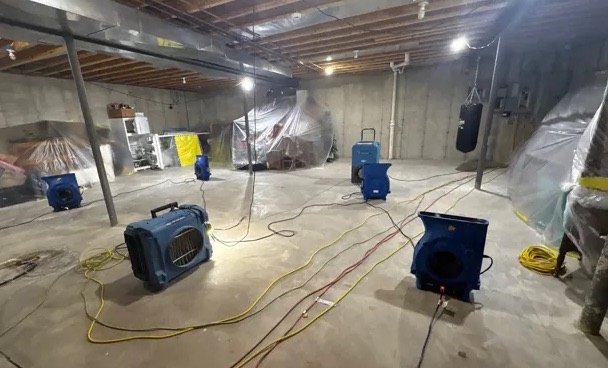
Water in a basement does not stay on the floor. It wicks up drywall, soaks insulation and seeps into wood framing. In Twinsburg, a few inches of water can damage walls up to two feet high.
Homeowners in Twinsburg can call (330) 632-1753 day or night when water is rising in the basement. Service also covers Reminderville, Macedonia and Aurora, with the same pumping and drying steps.
Professional Basement Water Damage Restoration Offered in Twinsburg
Basement Dehumidification
A basement with no moisture problem before the flood may still need a dehumidifier afterward while the concrete dries.
Basement Sewer Backup Cleanup
Sewage that backs up through a floor drain or toilet is extracted with protective gear, and the area is contained from the rest of the house.
Basement Drying Services
Air movers and dehumidifiers are placed to dry walls, framing and the slab. Below-grade rooms dry slowly, so readings are taken daily.
Basement Mold Prevention
Keeping basement humidity low after drying helps prevent mold from returning, especially in finished spaces.
Basement Floor Water Removal
Water on a concrete floor is squeegeed and extracted, and floor coverings such as carpet, vinyl or laminate are lifted to dry the slab.
Signs of Basement Water Damage in Twinsburg
Efflorescence on Concrete Walls
White, chalky deposits on concrete walls mean water is moving through the concrete and leaving minerals behind.
Peeling Paint or Wallpaper
Paint that peels or blisters on basement walls often has moisture behind it.
Mold on Surfaces
Dark spots on drywall, framing or stored boxes mean the area has stayed wet for days.
Damp or Musty Odors
A damp, earthy or musty smell in the basement often means hidden moisture in walls, carpet or the slab.
How Basement Water Damage Restoration Works in Twinsburg
Step 1: Initial Assessment and Water Removal
The source and type of water are identified, and standing water is removed right away.
Step 2: Focused Drying of Materials
Walls, framing and the slab are dried with directed airflow, with wet insulation removed.
Step 3: Air Quality Management
Air scrubbers filter dust and odors from removal work while drying continues.
Step 4: Documentation for Restoration
Photos, readings and a list of removed materials are prepared for insurance and rebuilding.
Common Causes of Water Damage in Twinsburg
Window Well Flooding
Window wells without drains or covers fill with rain and leak through basement windows.
Stormwater Runoff Into Lower Levels
Heavy rain running off hard ground or a sloped yard can pour down stairwells and under doors into below-grade rooms.
Failed or Clogged Drain Tile
Clogged or collapsed drain tile around the foundation lets water build up against the walls.
Plumbing Pipe Bursts or Leaks
Supply lines and drain pipes in basement ceilings can crack or burst onto the floor below.
Basement Water Damage Restoration for Homes and Businesses in Twinsburg
Residential Basement Water Damage Restoration
A sewer backup in a home basement needs contaminated carpet, pad and drywall removed and every hard surface disinfected before drying.
Commercial Basement Water Damage Restoration
In restaurants and stores with basements, sewage backups need fast containment so contamination does not reach food or customer areas.
When to DIY and When to Call the Pros for Basement Water Damage Restoration
Keeping gutters and downspouts clear and checking water heater and washer hoses are good DIY steps before storm season. Once water is on the floor, call (330) 632-1753.
Factors Affecting Basement Water Damage Restoration Cost in Twinsburg
In Twinsburg, basement jobs often run longer than upper-floor jobs because concrete dries slowly. Equipment days make up much of the bill.
Water Category
Clean water costs less to handle than sewage, which needs protective gear, removal and disinfection.
Access Complexity
Narrow stairs, low ceilings and stored contents can make the work slower.
Drying Time Required
Basements dry slowly, and longer drying means more equipment days and monitoring visits.
Does Insurance Cover Basement Water Damage Restoration?
Photograph the water level, damaged belongings and appliances before cleanup starts, and keep receipts for emergency pumping and drying to send to your insurer.
Reasons to Hire Local Pros for Basement Water Damage Restoration in Twinsburg
Water Type Handling
Clean water, gray water and sewage are each handled with the right protection and removal steps.
Advanced Moisture Detection
Moisture meters and thermal cameras find water in walls and slabs that looks dry.
24/7 Emergency Response
Help is available day or night when water is rising in the basement.
24/7 Emergency Basement Water Damage Restoration for Twinsburg
Water rising in your basement in Twinsburg? Shut off power to the basement if it is safe, move what you can and call (330) 632-1753. Help is available 24/7.
Call Now (330) 632-1753Regions Served for Basement Water Damage Restoration Near Twinsburg
Help with basement water damage restoration reaches Reminderville, Macedonia and Aurora, plus other communities around Twinsburg, for finished and unfinished basements alike.
- Basement Water Damage Restoration in Reminderville
- Basement Water Damage Restoration in Macedonia
- Basement Water Damage Restoration in Aurora
- Basement Water Damage Restoration in Hudson
- Basement Water Damage Restoration in Northfield
- Basement Water Damage Restoration in Solon
- Basement Water Damage Restoration in Sagamore Hills
- Basement Water Damage Restoration in Bedford Heights
- Emergency Damage Restoration in 44087
- Storm Damage Restoration in 44087
- Water Damage Restoration in 44087
- Water Extraction Service in 44087
- Water Leak Detection in 44087
- Water Removal Service in 44087
Basement Water Damage Restoration FAQs
What are signs of hidden moisture after below-grade water extraction?
Musty smells, tide lines on walls, damp carpet edges and moisture readings that stay high in walls or the slab.
What health risks come with delayed basement flood cleanup?
Standing water and wet materials can support bacteria and microbial growth, and sewage carries contaminants that need disinfection.
What causes the most common below-grade leaks in homes?
Sump pump failures, foundation cracks, clogged drain tile, sewer backups and burst pipes in the basement ceiling.
What is involved in basement water damage restoration?
Pumping out water, removing soaked materials, cleaning contaminated areas, drying walls, framing and concrete, and dehumidifying until readings are normal.
Is basement floor water removal different from carpet extraction?
Yes. Bare concrete is squeegeed and dried, while carpet and pad need extraction, and the pad is usually replaced.