Ashland, OH · Ashland County
Basement Water Damage Restoration in Ashland, OHBasement Mold Prevention & Basement Drying Services
Get basement water damage restoration in Ashland for basement floor water removal, basement mold prevention and basement drying services.
Answered 24/7
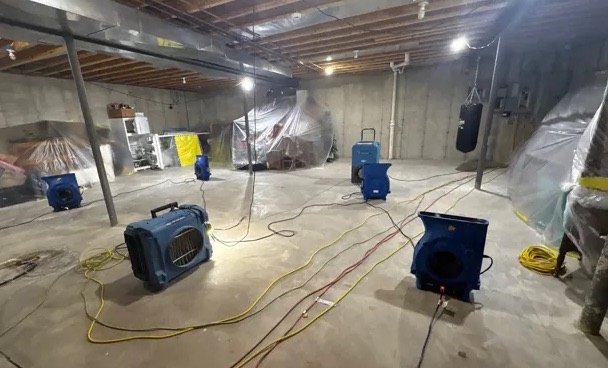
Professional Basement Water Damage Restoration in Ashland, OH
In Ashland, a damp, musty basement or lower room often means water damage that was never fully dried. Old leaks can leave moisture in walls and under flooring long after the water is gone.
One burst pipe or heavy storm in Ashland can flood a basement. Local water removal pros serve Ashland and nearby Mansfield and Wooster, with help available around the clock.
Basement Water Damage Restoration Services in Ashland
Basement Mold Prevention
Keeping basement humidity low after drying helps prevent mold from returning, especially in finished spaces.
Basement Drying Services
Drying a basement takes longer than drying an upper floor because the air is cool and the concrete holds moisture.
Basement Water Extraction
Submersible pumps remove deep standing water, then portable extractors pull water from carpet, pad and the concrete floor.
Emergency Basement Flood Cleanup
A flooded basement can damage furnaces, water heaters and stored items quickly. Fast pumping limits how much is lost.
Basement Floor Water Removal
A slab can look dry on top while still holding water. Moisture readings show when it is ready for new flooring.
When to Consider Basement Water Damage Restoration for Your Ashland Home
Warped or Buckling Basement Floors
Laminate, wood or vinyl flooring that buckles or lifts in the basement has water underneath.
Damp or Musty Odors
A damp, earthy or musty smell in the basement often means hidden moisture in walls, carpet or the slab.
Efflorescence on Concrete Walls
White, chalky deposits on concrete walls mean water is moving through the concrete and leaving minerals behind.
Peeling Paint or Wallpaper
Paint that peels or blisters on basement walls often has moisture behind it.
How Basement Water Damage Restoration Works in Ashland
Step 1: Source Control and Extraction
The pipe is shut off, the sump restarted or the backup stopped, then the water is pumped out.
Step 2: Structural Drying Setup
Lower drywall is removed where soaked, and equipment is placed to dry wall cavities and the slab.
Step 3: Contaminant Removal
Materials touched by sewage or dirty water are removed and hard surfaces are cleaned and disinfected.
Step 4: Monitoring and Completion
Daily readings track drying until every material is normal, then equipment is removed.
Frequent Sources of Water Damage in Ashland
Overland Flooding From Storms
Heavy storms and snowmelt can send surface water into basements through doors and walls.
Plumbing Pipe Bursts or Leaks
Supply lines and drain pipes in basement ceilings can crack or burst onto the floor below.
Water Heater or Appliance Leaks
Water heaters, washers and utility sinks in the basement can leak or fail without warning.
Foundation Cracks and Leaks
Cracks in foundation walls let groundwater and melting snow seep into the basement.
Home and Business Basement Water Damage Restoration in Ashland
Residential Basement Water Damage Restoration
A sewer backup in a home basement needs contaminated carpet, pad and drywall removed and every hard surface disinfected before drying.
Commercial Basement Water Damage Restoration
In restaurants and stores with basements, sewage backups need fast containment so contamination does not reach food or customer areas.
Professional Basement Water Damage Restoration or DIY in Ashland?
If a small leak left a puddle on bare concrete, a wet vac and a dehumidifier may be enough. Call local water removal pros if water reached drywall, carpet or framing, or if it came from a sewer drain.
What Influences Basement Water Damage Restoration Cost in Ashland
The cost of basement water damage restoration in Ashland depends on how much water there is, whether it is clean or sewage and how much finished material must be removed.
Water Category
Clean water costs less to handle than sewage, which needs protective gear, removal and disinfection.
Material Saturation
Finished basements with carpet, drywall and insulation take more removal work than bare concrete.
Dehumidification Needs
Large dehumidifiers may need to run longer in below-grade spaces than in upper floors.
Does Insurance Cover Basement Water Damage Restoration?
Coverage for groundwater seepage and backups varies widely between policies. Ask your adjuster whether your policy includes it before work begins.
Advantages of Hiring Local Pros in Ashland for Basement Water Damage Restoration
Containment Strategies
Plastic sheeting keeps contaminated areas separate from clean parts of the house.
Mold Prevention Focus
Fast drying is the main way to limit microbial growth in a below-grade space.
Detailed Documentation
Photos, readings and drying logs are kept to support your insurance claim.
24/7 Emergency Basement Water Damage Restoration in Ashland
If water is near outlets or the electrical panel, do not walk into it. Call (330) 632-1753 for help in Ashland and wait for the power to be made safe.
Call Now (330) 632-1753Local Basement Water Damage Restoration Coverage: Ashland and Beyond
The places below are also served, and each one has its own page.
- Basement Water Damage Restoration in Mansfield
- Basement Water Damage Restoration in Wooster
- Basement Water Damage Restoration in Orrville
- Basement Water Damage Restoration in Rittman
- Basement Water Damage Restoration in Medina
- Basement Water Damage Restoration in Wadsworth
- Basement Water Damage Restoration in Brunswick
- Basement Water Damage Restoration in Barberton
- Emergency Damage Restoration in 44805
- Storm Damage Restoration in 44805
- Water Damage Restoration in 44805
- Water Extraction Service in 44805
- Water Leak Detection in 44805
- Water Removal Service in 44805
Basement Water Damage Restoration FAQs
What is the priority during emergency basement flood cleanup?
Safety first, especially electrical hazards, then stopping the source and pumping out the water as quickly as possible.
Should I try below-grade waterproofing myself after flooding?
Sealing a small crack can be a DIY job, but drying must come first, and larger waterproofing work should go to a contractor.
What causes the most common below-grade leaks in homes?
Sump pump failures, foundation cracks, clogged drain tile, sewer backups and burst pipes in the basement ceiling.
What does below-grade moisture removal include beyond pumping?
Extracting carpet and pad, opening wet walls, running air movers and dehumidifiers, and checking readings until dry.
What health risks come with delayed basement flood cleanup?
Standing water and wet materials can support bacteria and microbial growth, and sewage carries contaminants that need disinfection.